
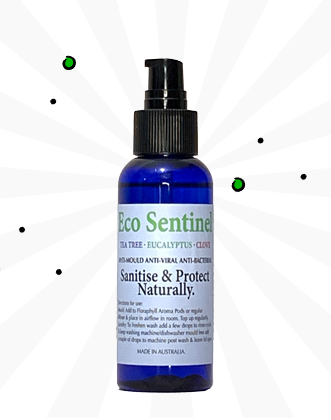
Eco Sentinel Anti Mould Concentrate 100ml


Eco Sentinel Anti Mould Concentrate 30ml
Key Takeaways
-
Oil-based mould removers use plant-derived ingredients like clove oil and tea tree oil instead of harsh chemicals.
-
Both oils have been recognised for their natural antifungal properties for decades.
-
Tea tree oil works well on non-porous surfaces but can't fully treat mould deep inside porous materials.
-
Correct dwell time and gentle scrubbing get the best results from oil-based sprays.
-
Prevention through ventilation and moisture control still matters, even with an effective natural treatment.
As people become more conscious about their health and the environment, oil-based mould removers are gaining popularity as a more natural way to tackle mould. Made with plant-based ingredients such as clove oil and tea tree oil, these products contain natural antifungal properties that control mould growth without the use of harsh chemicals.
Combined with good moisture management, Green Goo's oil-based mould removers can keep your home fresh and healthy. They sit alongside our broader natural mould killers range, all built around the same core ingredients.
Understanding how these oils actually work, rather than just trusting the label, helps you use them more effectively and know when a stronger or more targeted approach is needed instead.
How Clove and Tea Tree Oil Work as Natural Antifungals
Since the late 1980s, clove oil and tea tree oil have been recognised for their natural antimicrobial and antifungal properties. They contain active compounds that disrupt the fungal cells that allow mould spores to survive and reproduce.
Clove oil is used for its effectiveness against a wide range of common household mould species. Research has shown that it demonstrates antifungal performance that can rival some commercial disinfectants. It has become a common ingredient in natural mould removal products due to its ability to inhibit mould growth.
Tea tree oil is just as effective, with compounds that display antifungal activity. As well as reducing mould, it leaves a fresh herbal scent, making it a favourite in many homes. Using tea tree and clove oil for cleaning mould can eliminate most household mould problems when paired with a mould maintenance strategy.
Neither oil works by simply masking odour the way a synthetic fragrance does. Their antifungal action comes from disrupting the fungal cell structure directly, which is why they continue to suppress regrowth even after the initial application has dried.
Tea Tree Oil for Mould Removal: What It Can and Can't Do
Tea tree oil is widely used in most households to treat mould, but it does come with limitations worth understanding before you rely on it as your only tool.
|
Can Do |
Can't Do |
|---|---|
|
Treat surface mould on non-porous materials such as tiles, glass, sealed stone, and many painted surfaces, destroying the mould and discouraging new spores |
Completely treat mould that has penetrated deeply into porous materials such as plasterboard, untreated timber or heavily affected grout |
To achieve long-term results, combine tea tree mould removal with proper drying, ventilation and moisture control to address the conditions that allowed the mould to develop in the first place. For grout specifically, our grout mould remover brush helps reach the porous areas a spray alone can't fully clear.
This is a useful distinction to keep in mind before choosing a product. If you're dealing with a small patch on a tiled splashback, an oil-based spray is likely all you need. If the mould has spread into plasterboard or timber behind a wall, treating the visible surface is only a partial fix, and the affected material may need professional assessment.
How to Use Clove and Tea Tree Oil-Based Sprays for Best Results
When using a tea tree or clove oil mould spray, follow these simple steps, or those provided by the manufacturer:
-
Ensure the room is well ventilated.
-
Spray the affected surface evenly and avoid excessive runoff.
-
Leave the product to dwell for 20 minutes to allow the natural antifungal ingredients to work effectively.
-
Gently scrub with a soft brush or cloth before wiping away residue.
-
Thoroughly rinse after treatment if required.
-
Test the cleaner on a small, inconspicuous area before treating delicate surfaces.
Combining Oil-Based Treatments With Prevention
Prevention is better than cure, and even the most effective natural mould remover needs assistance. Reduce excess moisture by:
-
Opening windows regularly.
-
Using extractor fans in bathrooms, kitchens and laundries.
-
Repairing leaks promptly.
-
Wiping away condensation.
-
Using a dehumidifier in damp areas.
Oil-based mould removers can only work at their best if regular cleaning and moisture control are carried out alongside them. For an ongoing layer of protection between cleans, a mould remover gel releases the same tea tree and clove oil vapour continuously into the air.
Choosing Between an Oil Spray and a Vapour Gel
Oil-based sprays and oil-based gels use the same core ingredients but deliver them differently. A spray is for treating mould you can already see, applied directly and wiped away once it's done its job. A gel works passively, releasing the same tea tree and clove oil compounds into the air over weeks rather than minutes.
Most households get the best results using both: a spray to deal with an active patch, and a gel placed nearby afterwards to stop the room's air from letting new spores settle and establish themselves again.
Why These Oils Have Stood the Test of Time
Tea tree oil originates from the Melaleuca alternifolia plant native to Australia, and has a long history of use in traditional and household remedies. Clove oil, derived from the dried flower buds of the clove plant, has similarly been valued for its antimicrobial qualities across cultures for generations.
Their continued popularity in modern cleaning products isn't simply about tradition. Both oils offer a genuine antifungal mechanism, disrupting the cell membranes mould relies on to grow, while remaining gentle enough for
regular household use. That combination is difficult to match with synthetic alternatives that often trade one benefit for the other.
Frequently Asked Questions
Is Clove Oil Safe Indoors?
As long as it's used correctly, clove oil is perfectly safe for indoor use. However, as with any cleaning product, keep it out of reach of children and pets.
How Does It Compare to Bleach?
Clove oil and bleach work differently. While clove oil offers natural antifungal properties that target and kill mould spores, bleach is only effective at whitening mould stains on non-porous surfaces.
Can Oil-Based Removers Be Used on Fabric?
Yes, in the right formula. Our fabric mould removers use the same tea tree and clove oil base, adjusted to be gentle enough for curtains, upholstery and other soft furnishings.
How Long Does the Scent Last After Cleaning?
The herbal scent from tea tree and clove oil typically fades within a day or two of a spray application as the product finishes evaporating. A Power Crystals gel, by contrast, maintains a light scent for as long as the tub is active, since it's designed to keep releasing vapour continuously.