


Anti Mould Spray 2 LT REFILL


Anti Mould Spray - 1lt Spray


Anti Mould Spray - 1lt Refill


HEAVY DUTY Anti Mould Sprayer 500ml

HEAVY DUTY Anti Mould Spray ECONOMY REFILL 500ml
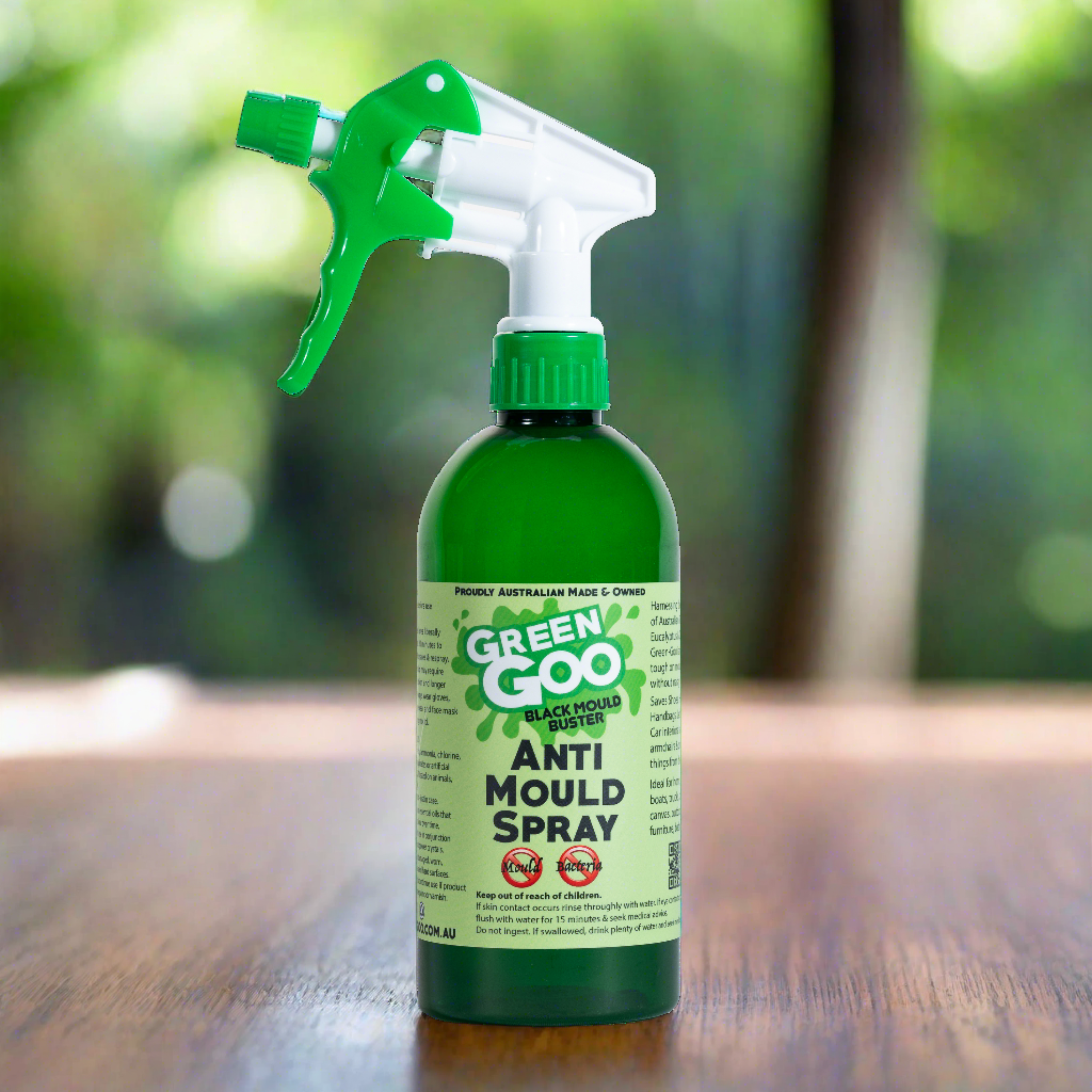
Anti Mould Spray - 500ml


Anti Mould Spray economy refill 500ml


Anti Mould Spray Concentrate 125ml
Key Takeaways
-
Fabric mould needs a gentler approach than hard-surface treatments to avoid damage and discolouration.
-
Clothing, carpets, curtains and leather each call for a different method.
-
Sunlight is a natural, effective way to help finish off mould on washable fabrics.
-
Leather requires the gentlest treatment of all, applied to a cloth rather than sprayed directly.
-
Ongoing protection, like a mould remover gel in storage areas, matters more than repeated spot-treating.
Mould doesn't just affect walls and bathrooms; it can also be a problem for fabrics. Curtains, canvas, clothing, carpets and leather can all develop mould if exposed to excess moisture or poor ventilation. Whatever the fabric, Green Goo has a mould remover for fabric built for the job, not a hard-surface spray pressed into service.
Fabric presents a different challenge to hard surfaces because the material itself can absorb both moisture and treatment, meaning the wrong product or method can cause as much damage as the mould you're trying to remove.
If you're dealing with mould on a harder surface nearby, such as a windowsill or wall, our full mould killers range covers those surfaces separately.
The Right Spray for Curtains and Soft Furnishings
Our Anti Mould Spray is the everyday fabric mould remover for curtains, upholstery and general soft furnishings, good on its own for most jobs. For blackout curtains, canvas, or anything with an older, stubborn stain, size up to the Heavy Duty version, which rates best across virtually every fabric category we sell for.
Even where an established stain has eaten into the material and needs a scrub afterwards, the mould itself will be dead once treated, meaning any remaining discolouration is cosmetic rather than an active health concern.
As a general rule, test any spray on an inconspicuous corner of fabric first, particularly for coloured or delicate materials. This takes a few minutes and can save an otherwise salvageable curtain or cushion from unexpected fading.
Clothing: Treat It in the Wash
Clothing gets its own method entirely:
-
Add a cup of Anti Mould Spray to the main wash.
-
A few squirts of Eco Sentinel in the softener dispenser adds extra protection.
-
If a stain remains after washing, follow up with a stain removal spray.
-
Dry the item in direct sunlight. UV is a natural mould killer in its own right.
Treat this as a last resort where the alternative is the bin. Most items come through good, though we won't pretend every heavily affected piece can be saved.
Carpets and Upholstery: Spot Treat, or Go Bigger
For everyday marks on carpet or upholstery, Anti Mould Spray, or Heavy Duty for tougher stains, works well as a direct spot treatment. For mould spread across a larger area of carpet, Eco Sentinel can be added to the freshwater tank of a hire carpet-cleaning machine along with a little sugar soap, a method local carpet cleaners have reported good results with on non-wool carpets.
Whichever method you use, avoid soaking the carpet more than necessary. Excess moisture left in carpet underlay is itself a common cause of mould returning, so drying thoroughly afterwards is just as important as the treatment itself.
If a carpet has been affected by a larger event, such as a burst pipe or flooding, drying time becomes critical. Fans, dehumidifiers and open windows all help speed up the process, and the faster the underlay dries, the less opportunity mould has to establish itself before you've even noticed a problem.
Leather Needs a Gentler Approach
Leather is porous but far more delicate than fabric; harsh sprays and excess moisture can dry it out and cause cracking. We've written a full, dedicated guide to this: Mould on Leather: How to Safely Remove & Prevent It, covering why Eco Sentinel, applied to a cloth rather than sprayed directly, is the safer choice for shoes, bags, sofas and car seats.
What to Avoid on Fabric
Keep chlorine bleach away from coloured fabrics; it fades and damages the material without addressing the mould underneath. Avoid vigorous scrubbing that can ruin delicate fibres, and don't tumble dry anything while mould is still present; heat can set the stain permanently and encourage any remaining spores to spread.
|
Fabric Type |
Recommended Treatment |
Avoid |
|---|---|---|
|
Curtains and upholstery |
Anti Mould Spray or Heavy Duty version |
Chlorine bleach on coloured fabric |
|
Clothing |
Anti-mould spray in the wash, plus sunlight drying |
Tumble drying while mould is present |
|
Carpet |
Spot spray or Eco Sentinel in a carpet cleaner |
Over-saturating the underlay |
|
Leather |
Eco Sentinel applied to a cloth |
Direct spraying or harsh scrubbing |
Keeping Fabric Mould-Free
Once fabric is clean, ongoing protection matters more than another round of spray:
-
Dry curtains, rugs and upholstery thoroughly after any spill or wash.
-
Ventilate wardrobes, linen cupboards and storage areas regularly.
-
Store fabric completely dry, in breathable containers rather than sealed plastic.
-
Place a Power Crystals gel in wardrobes and linen cupboards for everyday protection between cleans. Our mould remover gel range is built for exactly this kind of ongoing, whole-home coverage.
Fabric mould often points to a broader humidity issue in the room it's stored in. If you're seeing mould on walls or in wardrobes as well as fabric, our guide to black mould killers covers how to address more established growth.
Why Sunlight Genuinely Helps
UV exposure is one of the few free, passive tools available against mould. Sunlight breaks down mould spores and helps dry fabric completely, both of which reduce the chance of regrowth. It won't replace a proper mould
treatment on an active outbreak, but as a finishing step after washing, it adds a meaningful layer of protection that costs nothing.
Storing Fabric So Mould Never Gets a Chance
Prevention with fabric is largely about storage habits rather than cleaning frequency. Damp towels left balled up in a hamper, out-of-season clothing packed away before it's fully dry, and vacuum-sealed bags used on anything less than bone-dry fabric are among the most common ways mould gets a head start without anyone realising.
A simple rule of thumb: if you wouldn't be comfortable wearing or using an item right now because it feels even slightly damp, it isn't ready to be stored away yet.
Frequently Asked Questions
Can Mould Stains Be Fully Removed From Fabric?
If treated early, most mould stains lift well. Older, deeply embedded stains can lighten significantly without disappearing completely, even once the mould itself is dead.
Is Professional Cleaning Needed for Delicates?
For silks, wools, velvets or antique textiles, professional cleaning is usually the safer option. Specialists have the expertise to remove mould without damaging materials that don't respond well to home treatment.
Has a Badly Mouldy Item Ever Actually Been Saved?
More often than you'd think. One customer got in touch after rescuing her favourite purse: a spray, a ten-minute wait and a wipe was all it took to undo mould damage she'd assumed was permanent. Not every item makes it, but it's usually worth trying before writing something off.